
Modern Garden Design Ideas for 2026: Create a Beautiful Backyard Oasis
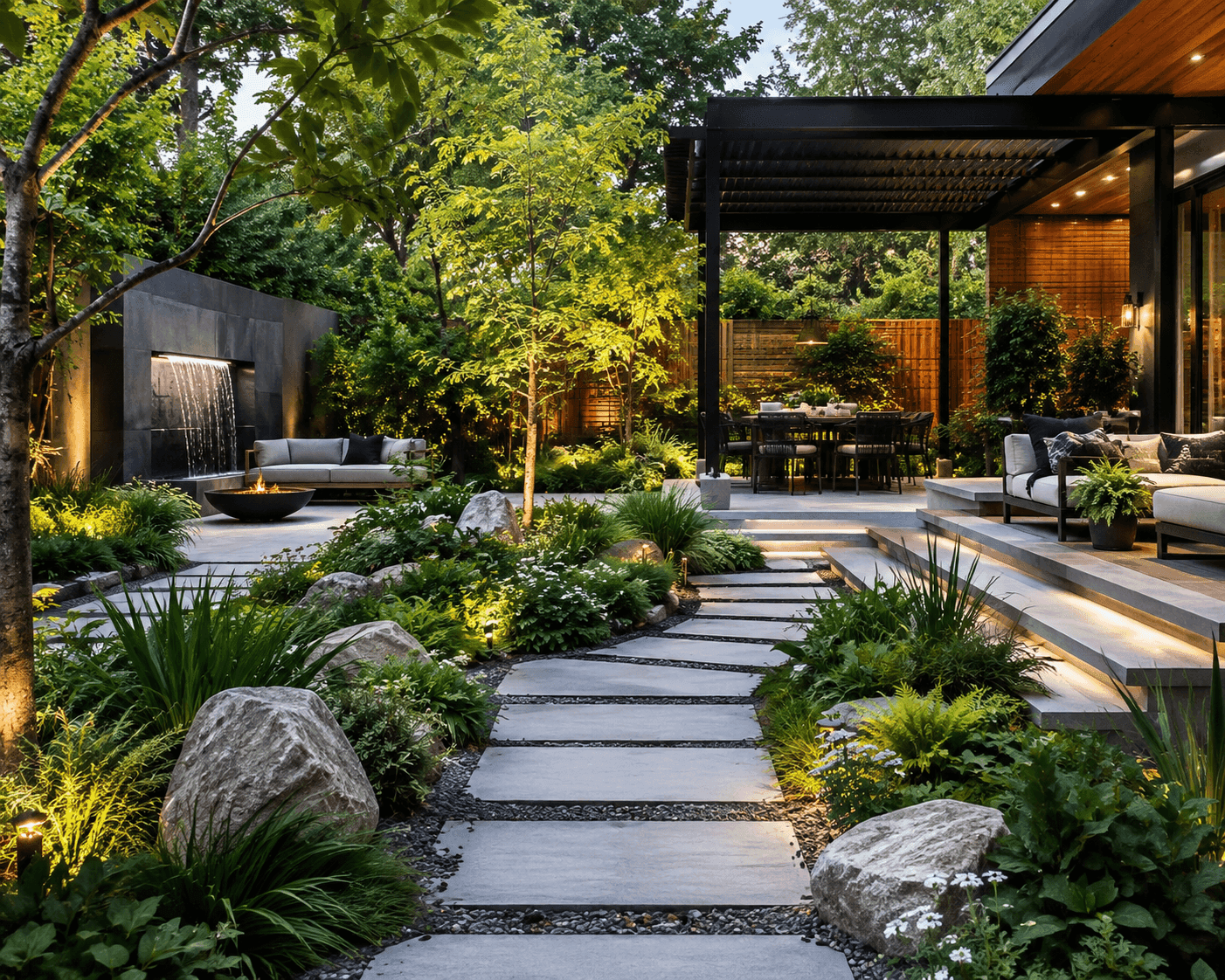
A beautiful garden is no longer just a lawn surrounded by a few plants. In 2026, garden design is becoming more intentional, natural, functional, and connected to the way we live.
Homeowners are transforming ordinary backyards into peaceful retreats, outdoor living rooms, entertaining spaces, private gardens, and low-maintenance landscapes that feel like a natural extension of the home.
The best garden design ideas for 2026 combine naturalistic planting, modern landscaping, comfortable outdoor spaces, warm materials, smart lighting, and thoughtful layouts. The goal is not simply to create a garden that looks beautiful, but to create an outdoor space that feels relaxing, useful, and personal.
Whether you have a large backyard, a small urban garden, a narrow side yard, or a compact outdoor space, the right landscape design can completely change the atmosphere of your home.
What Is Trending in Garden Design in 2026?
Modern landscaping is moving away from overly manicured gardens and toward spaces that feel more natural, layered, and livable.
Instead of treating the garden as decoration around the house, designers are creating complete outdoor environments with planting, pathways, patios, seating areas, shade structures, outdoor kitchens, fire features, and relaxing spaces.
Sustainability is also becoming an important part of contemporary backyard landscaping. Native plants, drought-tolerant planting, permeable surfaces, biodiversity, and low-maintenance landscaping can help create a garden that looks beautiful without requiring excessive maintenance.
The result is a new approach to garden design: less artificial, more natural, more comfortable, and much more connected to everyday life.
1. Create a Naturalistic Garden With Layered Planting
One of the strongest garden design trends for 2026 is the naturalistic landscape.
Instead of making every plant look perfectly controlled, modern gardens are using different heights, textures, colors, and shapes to create a landscape that feels organic and sophisticated at the same time.
Ornamental grasses, flowering perennials, shrubs, small trees, ground covers, and natural stone can be combined to create depth and visual interest throughout the year.
This approach works especially well when you want a garden that feels peaceful and connected to nature while still maintaining a clean contemporary appearance.
- Combine plants with different heights and textures.
- Mix evergreen plants with seasonal flowers.
- Use natural stone, gravel, and timber.
- Create layers instead of placing plants randomly.
- Leave some areas intentionally natural and soft.
2. Turn Your Backyard Into an Outdoor Living Room
One of the most popular backyard design ideas is to treat the garden as another room of the home.
A comfortable outdoor sofa, dining table, pergola, fire pit, outdoor kitchen, or shaded seating area can completely transform an ordinary backyard.
Think about how you use your indoor space and then extend those activities into the garden. A quiet corner can become a reading area, while another part of the backyard can become an outdoor dining or entertaining zone.
The best garden is not simply beautiful to look at — it is a space you actually want to spend time in.

3. Make a Small Garden Feel Bigger With Smart Design
You do not need a huge backyard to create an impressive landscape. With the right small garden design ideas, even a compact outdoor space can feel open, elegant, and inviting.
One of the simplest techniques is layered planting. Place taller trees or shrubs toward the back, medium-height plants in the middle, and low-growing plants along pathways and seating areas.
This creates visual depth and prevents the garden from looking flat. Vertical gardens, climbing plants, privacy screens, raised planters, and small trees can also draw the eye upward.
A Simple Planting Formula
- Back layer: trees, tall shrubs, and privacy plants.
- Middle layer: ornamental grasses, flowering shrubs, and perennials.
- Front layer: ground covers, low flowers, and architectural plants.
- Structural layer: stone, timber, gravel, pathways, and raised beds.
4. Choose Native and Drought-Tolerant Plants
A modern landscape should not only look beautiful. It should also make sense for its environment.
Native and climate-adapted plants can be an excellent choice because they are better suited to local growing conditions and can help reduce maintenance.
Drought-tolerant landscaping is also becoming increasingly popular. Instead of relying entirely on a large lawn, consider combining ornamental grasses, shrubs, native flowers, trees, and permeable hardscape.
The goal is not to eliminate greenery. It is to choose the right plants and group them according to sunlight, soil, drainage, and water requirements.
When plants are selected thoughtfully, a garden can remain lush and beautiful while requiring less constant maintenance.
5. Design a Beautiful Garden Pathway
A pathway is much more than a way to move from one part of the garden to another. It can become one of the strongest visual elements in your landscape design.
Curved pathways create a softer and more natural feeling, while large-format stone slabs can create a clean and contemporary aesthetic.
Depending on the style of your home, you can use natural stone, gravel, brick, concrete, timber, or a combination of different materials.
A well-designed pathway can also guide the eye toward an important destination, such as a seating area, water feature, tree, sculpture, fire pit, or outdoor dining zone.
Instead of treating the pathway as a purely functional element, think of it as a design line that connects different experiences throughout your garden.

6. Add Warm Lighting for a Luxury Evening Garden
Garden lighting can completely transform an outdoor space after sunset. Instead of using bright lights everywhere, focus on subtle layers of illumination.
Pathway lights can guide movement, uplighting can highlight trees, wall lighting can emphasize architectural details, and warm ambient lighting can make seating areas feel more intimate.
For a premium look, avoid making every light equally bright. The contrast between illuminated and darker areas creates depth and makes the garden feel more sophisticated.
Garden Lighting Ideas
- Soft pathway lighting.
- Tree and plant uplighting.
- Warm lighting beneath pergolas.
- Subtle lighting around seating areas.
- Architectural lighting for walls and steps.
7. Use Natural Materials for a Timeless Modern Garden
Materials have a huge impact on how a garden feels. Natural stone, timber, gravel, brick, and textured concrete can create a timeless appearance while adding visual texture.
Warm materials can also soften modern architecture. A contemporary home with large glass windows can feel much more welcoming when it opens onto a garden containing timber decking, stone paths, soft planting, and comfortable furniture.
The best modern garden design often comes from mixing textures rather than adding too many colors.
Try combining rough stone with smooth concrete, warm wood with lush greenery, and soft planting with strong architectural lines.
8. Design Your Garden Around the Way You Live
Before choosing plants, furniture, or materials, think about what you want your garden to do.
Do you want a peaceful place to relax? A space for weekend dinners? A garden where children can play? A private retreat? An outdoor kitchen? Or simply a beautiful view from your living room?
Your answers should determine the layout. A garden designed around your lifestyle will usually feel more useful and more beautiful than a garden created by simply copying a random landscaping trend.
Design Tip
Start with zones before choosing plants. Define where you want to relax, eat, walk, entertain, and garden. Then connect those zones with paths, planting, lighting, and materials.
9. Visualize Your Garden Before You Start Building
One of the hardest parts of landscape design is imagining how the finished garden will look before construction begins.
A planting plan or simple sketch can help, but it can still be difficult to visualize the complete space, especially when you are comparing different styles, materials, colors, and layouts.
This is where AI-powered design tools can become useful. Instead of guessing how a modern backyard, tropical garden, minimalist landscape, or natural garden might look, you can explore different concepts before making major design decisions.
Home Planner AI can help you explore home and space design concepts visually, making it easier to experiment with different aesthetics and find a design direction that fits your project.
You can use the idea-generation stage to compare different styles, materials, colors, layouts, and outdoor concepts before committing to a final idea.
Explore Home Planner AI on the App Store
Create a Garden That Feels Like Your Own Private Retreat
The best garden design ideas for 2026 are not about following one specific style.
They are about creating an outdoor space that combines beauty, comfort, nature, and functionality.
Naturalistic planting, outdoor living areas, climate-friendly plants, layered landscaping, beautiful pathways, warm lighting, and natural materials can work together to create a backyard that feels both contemporary and timeless.
Most importantly, start with the way you want to live. Once you know how you want to use your garden, the right plants, materials, furniture, lighting, and layout become much easier to choose.
Before investing in construction, visualizing your ideas can also help you compare different possibilities and refine your preferred direction. A great garden starts with a great plan.
Garden Design FAQ
What is the most popular garden design trend in 2026?
Naturalistic planting, outdoor living spaces, climate-adapted landscaping, layered planting, and gardens designed around everyday living are among the strongest directions in modern garden design.
How can I make a small backyard look bigger?
Use layered planting, vertical greenery, clear pathways, consistent materials, and carefully positioned focal points. Keeping the design visually connected can make a small garden feel larger and more spacious.
What plants are best for a low-maintenance garden?
The best plants depend on your climate, soil, sunlight, drainage, and water availability. Native and climate-adapted plants are often a strong starting point because they can be better suited to local growing conditions.
Can AI help with garden design?
Yes. AI can help you explore visual concepts, compare different styles, and understand how different design directions might look before starting a project. However, real construction decisions should still consider site conditions, drainage, climate, soil, and plant requirements.
How do I plan a modern garden?
Start by defining the purpose of each area, such as relaxing, dining, entertaining, gardening, or walking. Then create a connected layout using pathways, planting, outdoor furniture, lighting, and complementary materials.